Archives
- 2026-10
- 2026-09
- 2026-08
- 2026-07
- 2026-06
- 2026-05
- 2026-04
- 2026-03
- 2026-02
- 2026-01
- 2025-12
- 2025-11
- 2025-10
- 2025-09
- 2025-03
- 2025-02
- 2025-01
- 2024-12
- 2024-11
- 2024-10
- 2024-09
- 2024-08
- 2024-07
- 2024-06
- 2024-05
- 2024-04
- 2024-03
- 2024-02
- 2024-01
- 2023-12
- 2023-11
- 2023-10
- 2023-09
- 2023-08
- 2023-07
- 2023-06
- 2023-05
- 2023-04
- 2023-03
- 2023-02
- 2023-01
- 2022-12
- 2022-11
- 2022-10
- 2022-09
- 2022-08
- 2022-07
- 2022-06
- 2022-05
- 2022-04
- 2022-03
- 2022-02
- 2022-01
-
Adenosine is a ubiquitous homeostatic
2025-02-08
Adenosine is a ubiquitous homeostatic substance released from most cells, including neurons and glias. Endogenous adenosine acts at four principal G-protein-associated receptor subtypes: A1, A2a, A2b and A3 (Ralevic and Burnstock, 1998). The stimulation of adenosine receptors by extracellular adenos
-
If overexpression of ADK is sufficient to induce
2025-02-08
If overexpression of ADK is sufficient to induce spontaneous seizures, then reduction of ADK in engineered mice should prevent epileptogenesis. The generation of mice with moderately reduced levels of ADK in brain rather than complete ADK deficiency seems to be essential, since several lines of evid
-
In summary we suggest that both cofilin and
2025-02-08
In summary, we suggest that both cofilin and gelsolin are essential factors that regulate sperm capacitation and the acrosomal exocytosis by modulating actin. The relationships between activation/inactivation of cofilin and gelsolin suggest that inhibition of cofilin is important for allowing F-acti
-
In this study we obtained the absorbance and
2025-02-08
In this study, we obtained the absorbance and photoluminescence (PL) of ptio polymerized with various types of actin-binding proteins in order to probe the actin structures in situ without labeling. Both optical measurements have been useful in examining biomaterials such as DNA and proteins without
-
Our initial approach to identify
2025-02-08
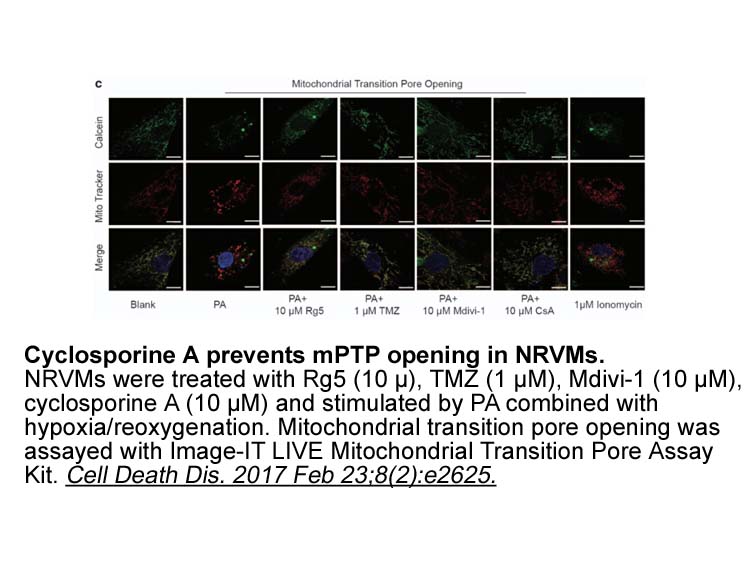
Our initial approach to identify hits was two-pronged and included a high-throughput screening (HTS) campaign of the OSI (S)-(-)-Propranolol hydrochloride library as well as a virtual screening (VS) campaign, utilizing a publically available crystal structure of ACK1 (PDB code: ). A tolerance for pr
-
The zebrafish Danio rerio is
2025-02-08
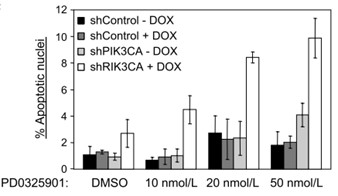
The zebrafish (Danio rerio) is a popular model organism for virtually any biological function of vertebrates, and has, therefore, received a wide distribution in particular in developmental biology and toxicology (Strähle et al., 2012). With respect to AChE, the zebrafish has, e.g., been identified
-
There are several reports about the
2025-02-08
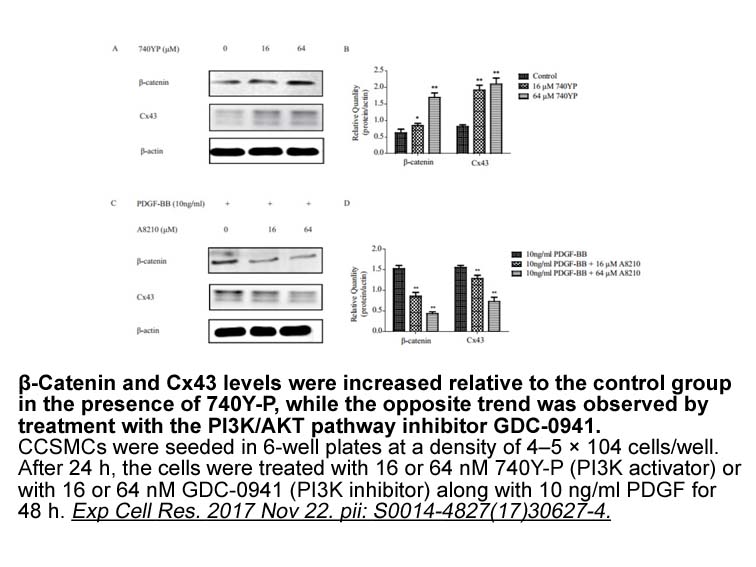
There are several reports about the expression of AChRs and their modulation to osteogenic factors in osteoblasts (Rothem et al., 2011, Sato et al., 2010, Walker et al., 2001). The normal osteocytic MLO-Y4 gatifloxacin eye drops expressed multiple subtypes, which was demonstrated by the detection o
-
br Materials and methods br Results
2025-02-08

Materials and methods Results Discussion Prostate cancer represents an ideal candidate for chemoprevention because of its high incidence and long latency to clinically significant disease [17]. The precancerous lesion PIN may also be a suitable target for ablation in chemoprevention strateg
-
In order to increase the oral bioavailability abiraterone is
2025-02-07
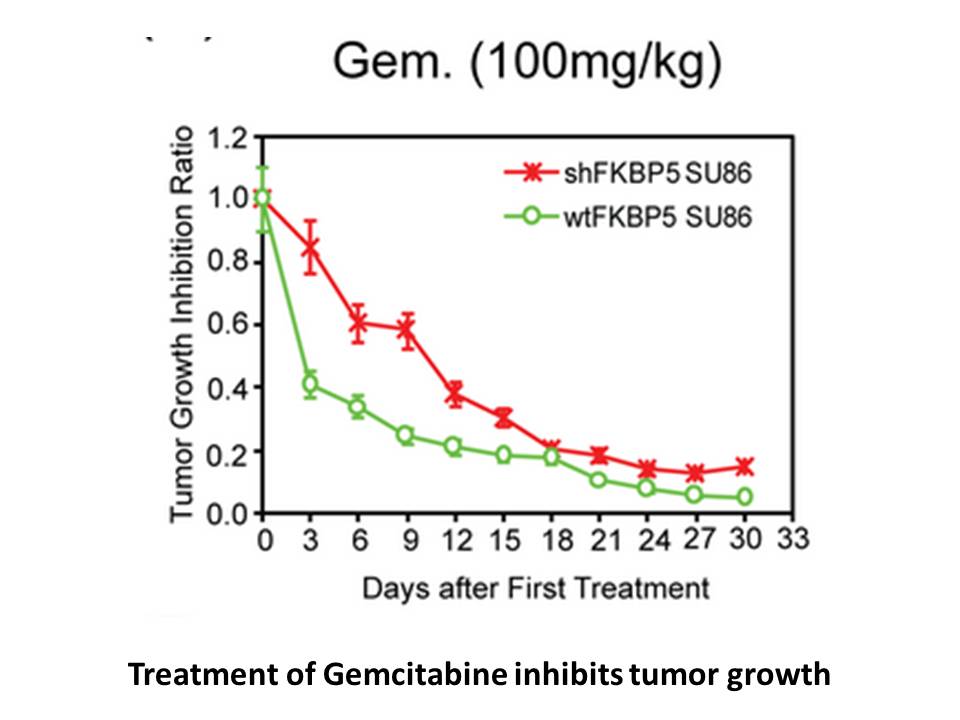
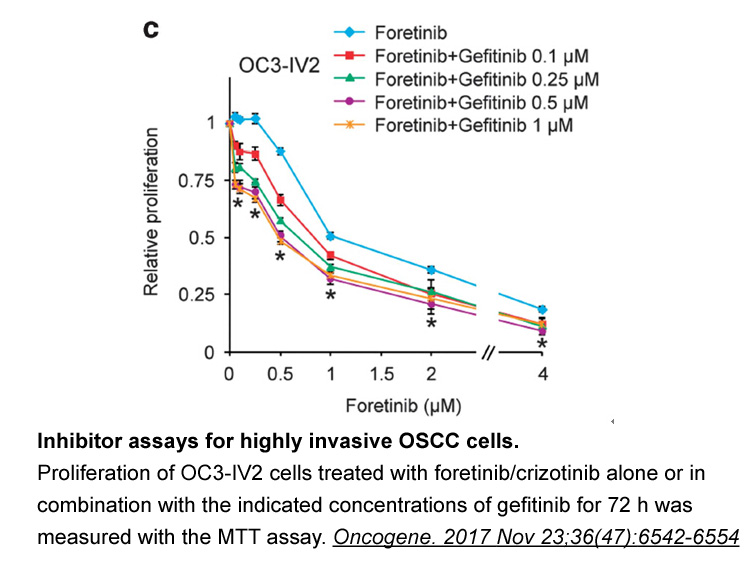
In order to increase the oral bioavailability, abiraterone (157) is being used in the form of its 3β-acetoxy prodrug, abiraterone acetate (156). In spite of the fact that high-fat meals increase the oral Foretinib of abiraterone acetate (156), it is recommended that this drug should be taken on an
-
Previous studies have demonstrated that
2025-02-07
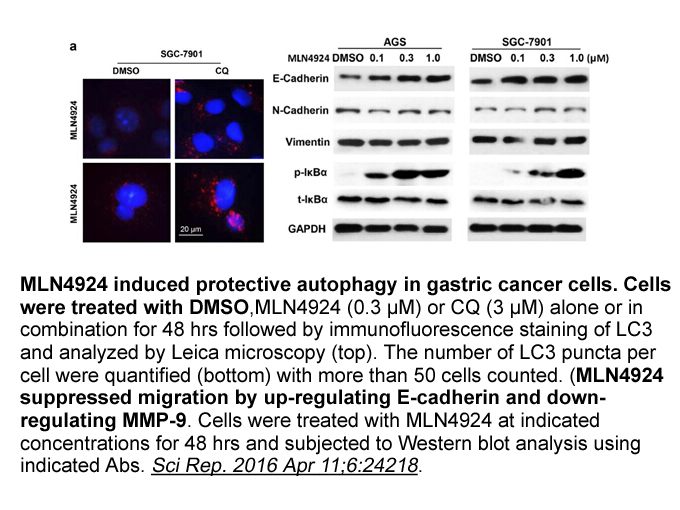
Previous studies have demonstrated that the expression of the Aurora B gene is maximally increased at G2/M phage during mitosis (Honda et al., 2003, Fu et al., 2007, Goldenson and Crispino, 2015), and exhibits an extraordinary upregulation in a number of human cancers (Fu et al., 2007, Kollareddy et
-
histone methyltransferase In PMCA Mg favors the conversion
2025-02-07
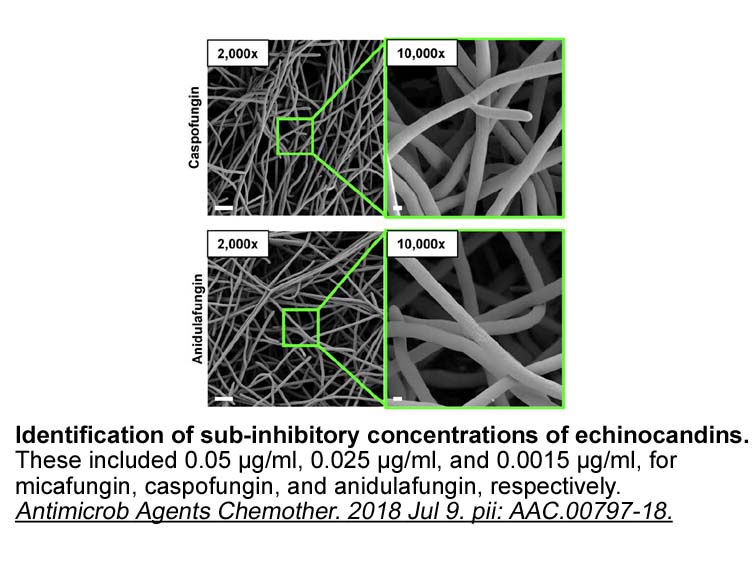
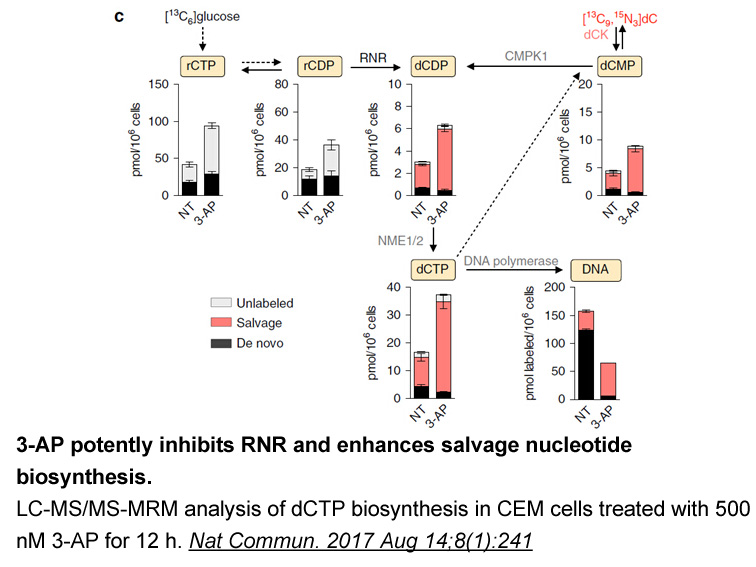
In PMCA, Mg2+ favors the conversion E1P → E2P [13] and, as in SERCA [11], it accelerates the phosphorylation displacing the E1–E2 equilibrium towards E1. In SERCA, Sørensen et al. [41], proposed that ATP reacts by an associative mechanism mediated by two Mg2+ ions to form an aspartyl-phosphorylated
-
Our previous studies and others have
2025-02-07
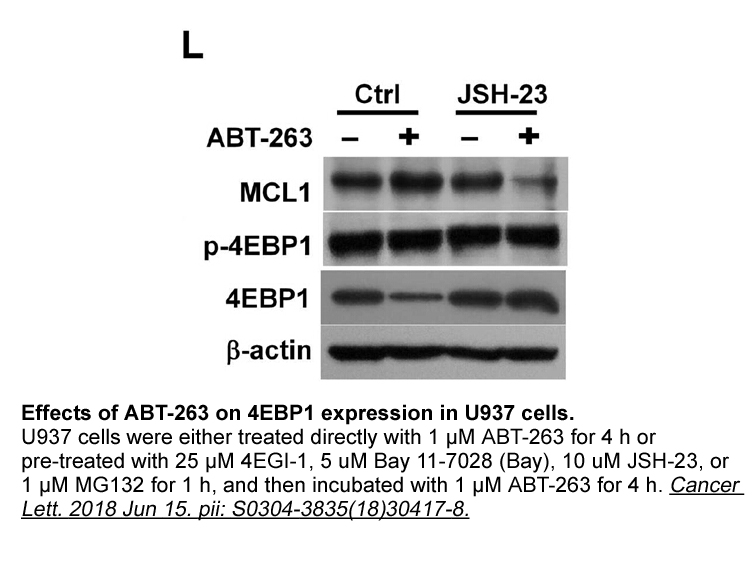
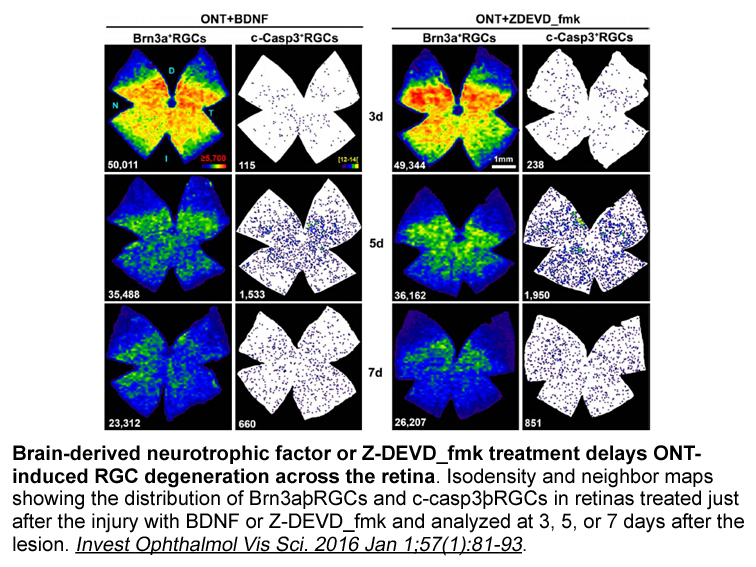
Our previous studies and others have identified that the inhalational anesthetic isoflurane induces neuronal apoptosis via [Ca2+]i overload through the opening of synaptic voltage-dependent calcium channels (VDCCs) and the excessive Ca2+ release from the endoplasmic reticulum (Zhao et al., 2011; Zha
-
The functional similarity between GPR and APLNR ie both can
2025-02-07
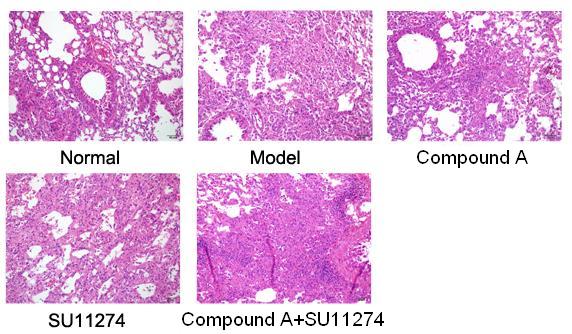
The functional similarity between GPR25 and APLNR, ie both can be activated by Apelin and Apela and are coupled to Gi-cAMP signaling pathway (Fig. 2, Fig. 3, Fig. 4), strongly suggests that GPR25 signaling may play important physiological and pathological roles in vertebrates more or less similar to
-
br Materials and methods br Results and
2025-02-07
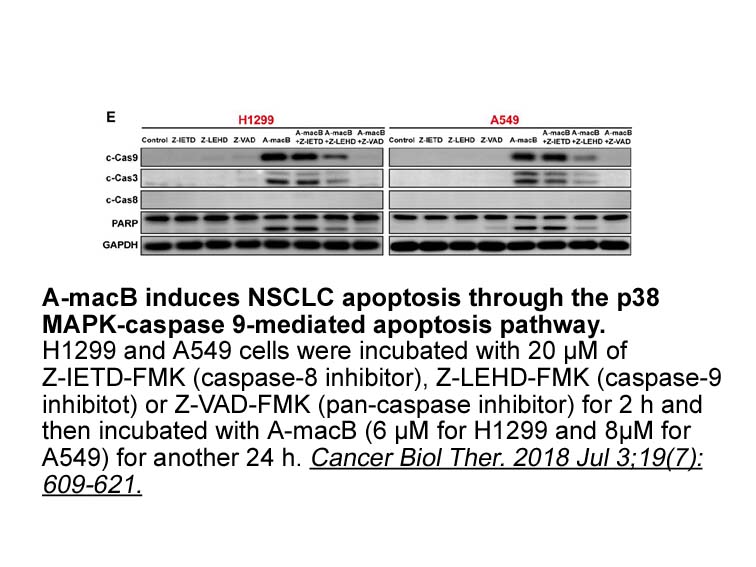
Materials and methods Results and discussion Conclusion The preparation of acrylic nanoparticles as aminosugar carriers could not be achieved by direct functionalization of poly(t-butyl acrylate) particles with saccharide groups. A four-step procedure starting from a protected derivative of
-
Introduction Heterotrimeric G proteins mediate
2025-02-07
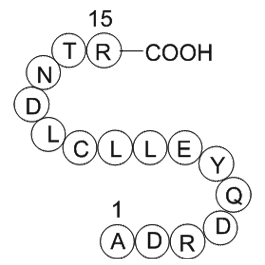
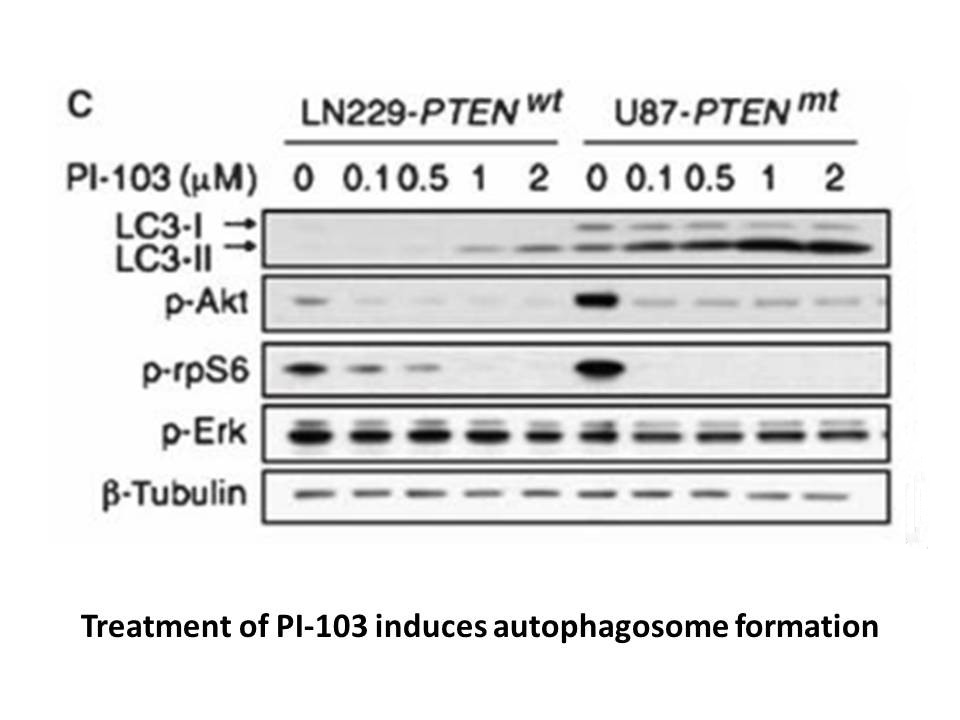
Introduction Heterotrimeric Gαβγ proteins mediate signal transduction through seven-transmembrane domain receptors. In response to neurotransmitters or hormones, activated receptors bind GTP via the Gα subunit leading to the dissociation of Gα from the Gβγ dimer. G proteins regulate the levels of s
8117 records 53/542 page Previous Next First page 上5页 5152535455 下5页 Last page